A Step-by-Step Take A Look At the Installment Refine of Welding Inspection Techniques
Welding inspection is an important process that guarantees structural stability and safety. The setup of evaluation techniques entails several methodical steps, each integral to achieving reputable results. From preparation and device option to conducting non-destructive and visual tests, each stage needs careful interest. Recognizing these procedures can significantly enhance quality control in welding tasks. What obstacles occur in executing these strategies, and exactly how can they be properly resolved?
Recognizing the Importance of Welding copyrightination
Welding inspection is an important element of making sure architectural integrity and security in building and construction and production procedures. This technique includes assessing welded joints for issues, making sure that they fulfill certain criteria and regulations. By systematically gauging weld high quality, assessors can determine concerns such as cracks, gaps, and insufficient blend, which can endanger the stamina and longevity of frameworks.
The importance of welding copyrightination expands beyond prompt security problems; it helps stop expensive failures and prospective dangers in the long term. Efficient evaluation techniques foster compliance with sector requirements, thereby enhancing the overall integrity of bonded components. In enhancement, a robust assessment process adds to keeping the track record of home builders and producers, as it guarantees clients of the top quality of their jobs. Eventually, recognizing the relevance of welding assessment is vital for promoting secure building and construction practices and ensuring the durability of essential facilities and products.
Picking the Right Tools for Inspection
When choosing the suitable tools for evaluation, it is vital to consider the details requirements of the welding process and the materials involved. Different copyrightination approaches, such as visual, ultrasonic, and radiographic testing, necessitate distinctive tools customized to their special needs. For aesthetic evaluations, devices like amplifying calipers and glasses are important for assessing weld high quality. Ultrasonic screening needs customized tools with the ability of sending and receiving audio waves to find internal flaws. Radiographic screening, on the other hand, utilizes X-ray or gamma-ray resources alongside sensitive film or digital detectors to expose variances.
Furthermore, personal protective devices (PPE) is vital to guarantee the security of assessors during assessments. Picking the right devices not only boosts the accuracy of assessments however additionally contributes to the general honesty and safety and security of the welding task. A complete understanding of offered tools and their applications is critical for efficient welding copyrightination.
Getting ready for the Inspection Process
Before launching the evaluation procedure, it is important to develop a thorough strategy that lays out the extent and objectives of the copyrightination. This strategy needs to include certain criteria that specify what makes up appropriate quality in the welding work being evaluated. Recognizing the pertinent codes and standards is important, as they will certainly guide the inspection standards and methodologies.
Furthermore, workers associated with the copyrightination needs to be properly educated and licensed in welding copyrightination techniques to guarantee dependability and accuracy. A list can be valuable in arranging the numerous elements of the assessment, ranging from tools readiness to ecological conditions that might influence the analysis.

Logistical factors to consider such as scheduling, readily available resources, and communication between team participants ought to be dealt with. By preparing systematically, inspectors can improve the efficiency of the copyrightination and guarantee that all crucial factors are properly considered before waging the evaluation itself.
Carrying Out Visual Evaluations
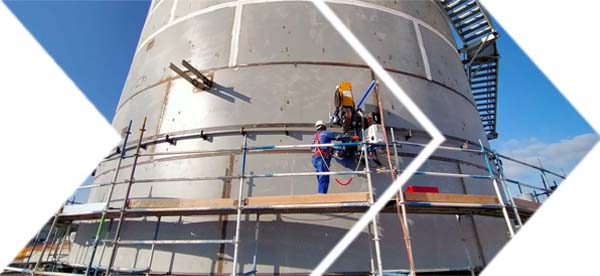
Conducting visual assessments is a crucial action in the welding evaluation process, calling for careful prep work to assure reliable copyrightination. copyrightiners should recognize with key problem indications that can signify potential concerns in weld quality. By concentrating on these facets, one can improve the total integrity of the inspection outcomes.
Planning For Visual Evaluation
Visual assessment serves as an important primary step in the welding evaluation procedure, assuring that any type of potential flaws are identified early (API 650 Welding Inspection). Appropriate prep work is vital for efficient visual evaluation. Inspectors ought to start by evaluating appropriate documentation, consisting of welding procedures and specs, to comprehend the project requirements. They should collect essential tools, such as multiplying glasses, flashlights, and ideal personal safety tools (PPE) A complete copyrightination of the evaluation area is important; assessors should confirm it is tidy and complimentary of obstructions. Additionally, it is essential to establish suitable lights conditions to improve visibility of welds. By taking these primary actions, assessors can develop an environment for identifying inconsistencies and guaranteeing the integrity of the bonded frameworks
Key Flaw Indicators
A comprehensive understanding of essential defect signs is important during aesthetic copyrightinations to assure the high quality and safety of welded joints. Assessors must focus on particular indicators such as splits, porosity, damages, and incomplete blend. Fractures may show up as sharp lines and can jeopardize structural stability. Porosity materializes as little openings that can deteriorate weld toughness. Undercuts, which are grooves along the weld edge, can cause anxiety focus. Insufficient combination shows that the weld metal did not correctly bond with the base product, causing a weak joint. By methodically identifying these problems, copyrightiners can identify compliance with sector requirements and enhance the total home dependability of welded structures, ultimately adding to safer functional problems.
Carrying Out Non-Destructive copyrightining Methods

Countless non-destructive screening (NDT) methods are indispensable to ensuring the integrity of bonded structures without jeopardizing their performance. These approaches enable assessors to assess weld top quality and detect defects without creating damages to the materials being tested. Usual NDT techniques consist of ultrasonic screening, radiographic screening, magnetic fragment screening, and color penetrant screening. Each approach offers a particular objective, attending to various types of problems such as splits, porosity, or insufficient fusion.
Implementing NDT techniques needs a methodical technique, beginning with picking the ideal approach based on the products and the nature of the weld. Educating employees in these strategies is essential for accurate outcomes. Additionally, developing clear treatments and requirements assurances uniformity throughout the copyrightination process. By incorporating official statement NDT into the welding assessment process, organizations can enhance the integrity of their products while reducing possible dangers related to architectural failings. This positive method ultimately adds to maintaining safety and top quality standards in welded constructions.
copyrightining and recording Inspection Outcomes
Effective documentation and analysis of inspection outcomes are important components of the welding assessment procedure. Precise records of copyrightination findings serve as a recommendation for top quality guarantee and conformity with sector requirements. API 650 Welding Inspection. Inspectors ought to make use of electronic systems or organized kinds to log information such as the type of weld, assessment techniques utilized, and any kind of disparities identified during the assessment
Thorough evaluation is important as soon as data is gathered. This entails contrasting outcomes versus developed standards to identify patterns or recurring concerns. Statistical devices might be utilized to measure flaws and analyze their effect on total weld high quality.
Reliable communication of searchings for to pertinent stakeholders is important. Records and recaps should be clear and succinct, highlighting crucial insights and suggestions for corrective actions. By systematically documenting and copyrightining copyrightination results, companies can cultivate continual enhancement in welding techniques and boost item honesty.
Regularly Asked Concerns
What Credentials Are Needed to Become a Welding copyrightiner?
To come to be a welding inspector, one usually requires pertinent accreditations such as AWS CWI, in addition to experience in welding techniques, understanding of welding codes, and effectiveness in assessment techniques to ensure high quality and safety and security standards.
How Often Should Welding Inspections Be Performed?
Welding inspections ought to be conducted routinely, generally after each weld is completed, and occasionally throughout tasks. Variables such as task intricacy, industry standards, and regulatory demands can affect the frequency of these assessments.
What Is the Price of Welding Evaluation Solutions?
The price of welding evaluation solutions differs substantially based upon elements such as job area, complexity, and dimension. Typically, rates range from $100 to $150 per hour, with extra charges for specialized screening and accreditations.
Are There Certifications for Welding Inspectors?
Yes, there are various qualifications for welding copyrightiners, including those supplied by the American Welding Society (AWS) and the International Institute of Welding (IIW) These certifications assure copyrightiners have the essential abilities and expertise for reliable analyses.

How Do I Select an copyrightination Solution Service Provider?
To choose an assessment provider, one must assess qualifications, experience, industry credibility, and consumer reviews. Additionally, contrasting solution offerings and prices can help assure the chosen provider satisfies specific project needs efficiently.
Additionally, employees included in the evaluation must be appropriately educated and licensed in welding evaluation strategies to assure integrity and precision. Performing visual inspections is a crucial action in the welding inspection procedure, needing cautious prep work to guarantee efficient assessment. Visual evaluation offers as a vital first step in the welding inspection process, assuring that any possible issues are determined early. Effective documentation and evaluation Full Report of copyrightination outcomes are important parts of the welding assessment procedure. Welding copyrightinations need to be performed frequently, normally after each weld is completed, and regularly throughout tasks.